In damp climates, mold can develop quickly, and Dubai frequently experiences this problem. Leaks, ventilation issues, or humidity cause moisture problems in many buildings. The conditions provide an ideal environment for mold. Health and safety professionals’ mold removal is highly important. Experienced teams have rigorous measures to eliminate mould in affected areas. These procedures keep indoor spaces healthy and safe for families and businesses. The process also protects property from structural damage. Many residents rely on expert services because mold spreads fast. Correct methods reduce future risks and keep the environment dry. Services in the city follow approved guidelines for safe cleaning. Every stage has a specific purpose that ensures a permanent solution. In this guide, we explain all the steps used during Mold remediation Dubai. You will learn how experts manage each part of the process. This helps you understand why professional service remains the safest option.
Initial Mold Inspection
The first step involves a detailed inspection of the affected area. Professionals check walls, ceilings, and hidden corners. They identify stains, damp spots, and visible growth. They also search for moisture sources that trigger mold. Special tools measure humidity and detect hidden dampness. This inspection helps experts create a detailed plan. They evaluate the severity of mold spread. They record findings to prepare a safe strategy. Careful inspection ensures accurate identification. This stage allows teams to choose the correct treatment approach. It prepares the way for a complete and effective removal.
Moisture Source Identification
Before any treatment, experts find the specific place of moisture. Without a moisture source, mold cannot grow. Sgroups examine pipes, ventilation, and leaks. They study walls for signs of seepage. Detecting the origin prevents mold from returning. Professionals use detection devices for deeper checks. They analyze indoor humidity levels carefully. They also inspect outdoor walls where moisture may enter. This step ensures long-term protection. Once the source is known, repair recommendations are given. Moisture control becomes the foundation of successful removal.
Containment of Affected Areas
Containment stops mold from spreading to clean areas. Professionals isolate the affected zone with special barriers. They seal openings to control air movement. The purpose is to prevent mold spores from escaping. Teams use safe methods to block all pathways. Workers follow strict protection guidelines during containment. This helps maintain clean air in surrounding areas. Containment remains a critical step in the process. It ensures safe removal conditions. It also protects residents from airborne mold particles. Proper containment prevents cross-contamination during the next steps.
Air Filtration Process
Experts use filtration systems to clean indoor air. These machines capture mold spores during removal. High-efficiency filters trap harmful particles quickly. Air cleaning reduces health risks for everyone. It also helps maintain a safe working environment. Filtration remains active throughout the process. Clean air improves the effectiveness of the treatment. Professionals place equipment at strategic positions. The goal is to fully remove airborne particles. This creates a stable and safe indoor environment. Air purification continues until the cleaning phase ends.
Safe Mold Removal Method
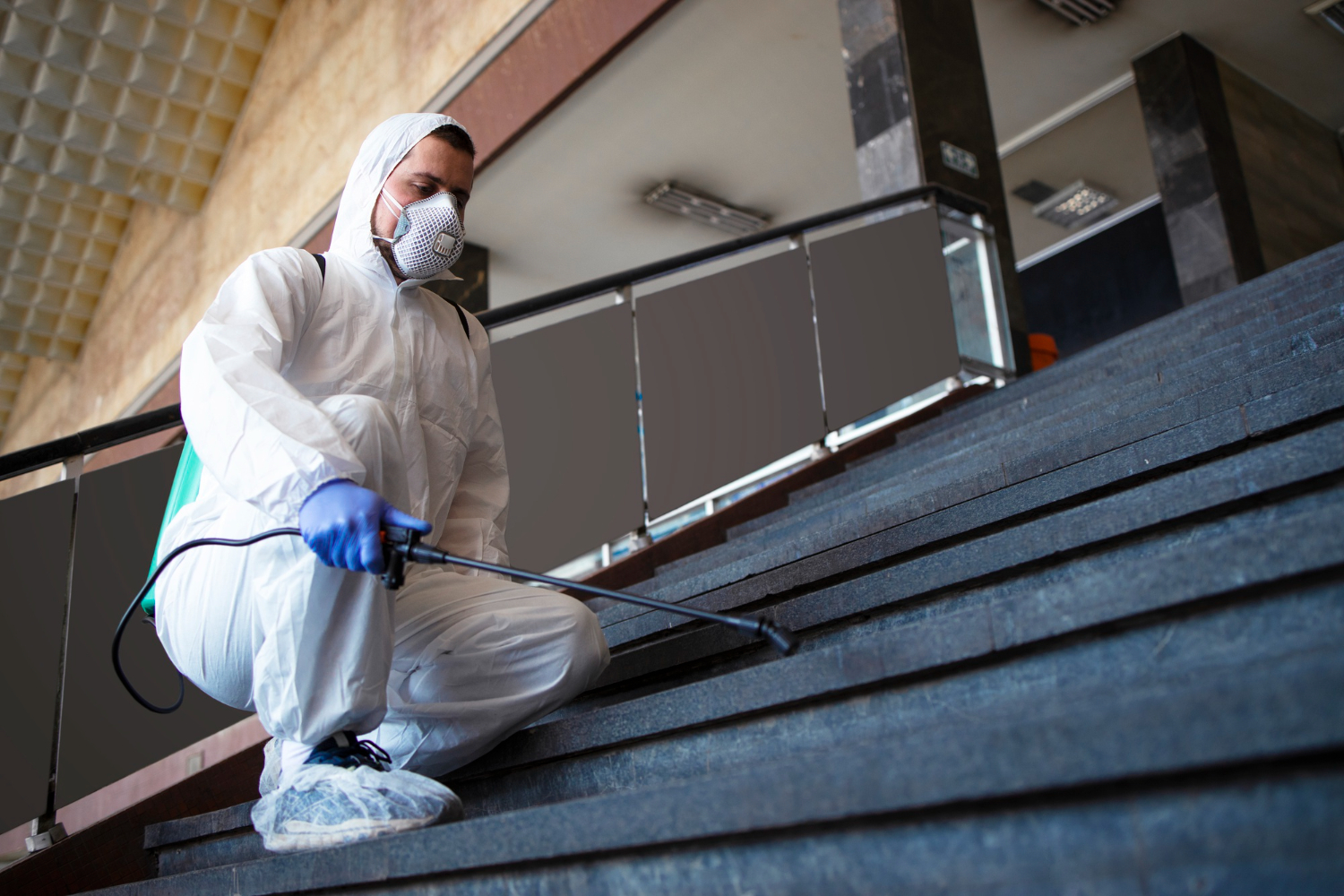
Professionals use approved techniques to safely remove mold. They scrub affected surfaces with special solutions. They treat hidden spaces with advanced tools. Each method targets active and inactive mold. Hard surfaces get cleaned deeply. Porous materials may require replacement for safety. Technicians follow proper guidelines during cleaning. Safety gear protects workers throughout the process. Every step ensures complete mold removal. Treated surfaces become clean and safe again. This method reduces future contamination. Thorough cleaning remains essential for effective results.
Cleaning and Sanitizing Areas
Cleaning entails rigorous scrubbing of affected areas. Professionals eliminate dust, spores, and debris. They disinfect walls, floors, and corners using safe materials. Mold spores are killed during sanitization. This minimizes the risk of future growth. Professionals pay attention to every minute detail. They also clean the close objects that are in contact with moulds. Furniture and equipments are well treated. Cleaning brings about a healthy indoor environment. It creates a fresh, safe environment for occupants. Proper sanitizing protects the building and its contents.
Repairing Damaged Areas
Some areas may be damaged by mold. Professionals inspect damaged parts carefully. They offer repair solutions for safety and strength. Walls, ceilings, and furniture may need fixing. Teams remove affected materials that cannot be restored. Replacement ensures a fresh and secure environment. Repairs restore the structure to a safe condition. This step improves property health and appearance. Professionals assuring quality in every repair. Repairs help prevent future issues. This part completes the restoration process.
Preventive Measures for Future Control
Experts guide clients about preventive steps. They suggest regular inspections to detect early. They advise using ventilation systems for air movement. Moisture reduction becomes a long-term priority. Professionals recommend fixing leaks quickly. They encourage keeping rooms dry. Clients receive tips for better housekeeping. Preventive steps support long-term cleanliness. Good habits keep mold away. Awareness reduces the chance of returning issues. Prevention ensures lasting safety.
Use of Eco-Friendly Techniques
Professionals use safe and eco-friendly products. These materials are clean and do not harm the environment. Eco techniques support healthier indoor surroundings. They reduce chemical exposure for residents. Eco-friendly solutions work well against mold. They remove growth without damaging surfaces. Teams choose materials based on safety. The goal is healthy indoor air quality. Eco-friendly steps match modern cleaning standards. These techniques support long-lasting results. They help residents stay safe.
Monitoring After Treatment
Monitoring ensures treatment success. Experts revisit the property after cleaning. They examine walls and corners again. They check humidity levels for safety. Monitoring confirms that mold has not returned. It ensures long-term protection for the property. Professionals take notes for future prevention. They guide clients on maintenance. This stage adds confidence for occupants. Monitoring shows the strength of the process. It proves the value of professional work.
Final Property Evaluation
The final evaluation thoroughly checks every treated area. Experts confirm that all mold has been removed. They inspect repaired parts and cleaned surfaces. They test humidity levels again for safety. Final evaluation marks the completion of the process. Teams record results for client clarity. They share maintenance advice for long-term care. Evaluation builds trust between clients and service teams. It also ensures a safe environment. This final check remains important for reliable outcomes.
Cost Factors in Professional Mold Removal
Cost depends on the size of the affected area. Severity influences the total expense. A wider spread means more work and higher costs. Moisture repairs may add to the price. Experts calculate based on labor and equipment. Larger buildings require more time. Advanced tools also increase cost. Professional teams offer clear cost breakdowns. Clients understand the reason behind each charge. Proper cost planning reduces financial stress. Quality service remains valuable for health.
Importance of Professional Services in Dubai
Dubai experiences high humidity in many areas. This increases the risk of mold problems. Professional services understand local conditions. They use the correct methods for the region. Many properties rely on trained teams. This ensures safe and lasting removal. Experts handle every step with care. Their knowledge guarantees effective results. Professional work maintains property safety. Skilled teams make the process easy.
Conclusion
Professional mold removal follows a structured process to ensure safe, complete results. Every step from inspection to prevention brings long-term benefits. Trained teams use modern tools and strong safety methods. Their focus remains on fully removing moisture sources and mold growth. Their work protects health, property, and indoor comfort. Many city residents rely on expert services because the climate increases the risk of mold. The right process ensures permanent results and long term property care. Companies that need reliable service often trust the best providers in the region. A trusted name like Canaryfersa supports many service needs with quality and commitment. Their approach makes them a dependable partner for property care. For complete cleaning and safe indoor conditions, expert support remains the most effective choice.
FAQs
When should I call a mold expert?
Call when you see stains, smell musty odors, or notice dampness.
Can mold return after cleaning?
Yes, mold can return if moisture remains.
Is professional cleaning better than DIY?
Professional service ensures full removal and lasting protection.
How long does mold removal take?
Duration depends on the spread and moisture conditions.