Office environments need clean and healthy conditions to support steady workflow. Many businesses worry when they discover mold because they fear long closures. However, companies can manage the situation with the right plan. Modern techniques allow teams to treat affected areas while people still work safely. Professional teams use advanced tools to control spread and lower risks. Good planning keeps the process smooth and steady. Clear steps maintain air quality and reduce stress for staff. Early action keeps damage low and protects furniture and equipment. Proper assessment helps teams understand hidden issues.
Many workplaces face moisture problems due to leaks, weak ventilation, or humidity. These issues help mold grow fast. Office managers must respond quickly when they see signs. They can protect staff from irritation and maintain full productivity. Careful scheduling reduces delays. This blog explores how firms manage mold removal dubai while keeping work active.
1. Understanding Mold Problems In Workplaces
Mold grows fast in spaces that trap moisture. Offices often face leaks, damp carpets, or weak airflow that supports growth. These conditions create risks for workers and harm equipment. Early detection keeps the issue under control. Simple signs include odors, stains, or cold surfaces. Managers act fast when they notice changes. Quick checks avoid larger spread and keep the workplace safe. Teams review ceilings, stored items, and corners. They use tools to spot hidden traces. Clear findings make planning easier. Timely action allows staff to continue their tasks with little stress or fear. Smooth steps keep business activities stable.
2. Why Offices Fear Disruptions During Treatment
Many offices fear mold treatment because they expect long closures. Interruptions reduce workflow and affect team focus. Managers try to protect steady operations. They need solutions that support normal day tasks. Staff comfort matters, so companies avoid loud tools or strong odors. Clear planning helps teams relax while treatment continues. Workers feel safe when they see controlled processes. Office leaders want safe schedules that reduce impact on meetings. They also want clean spaces that help staff feel confident. Smart teams create structured plans. Good communication reduces worry and helps the process finish faster.
3. How Professionals Control Contaminated Zones
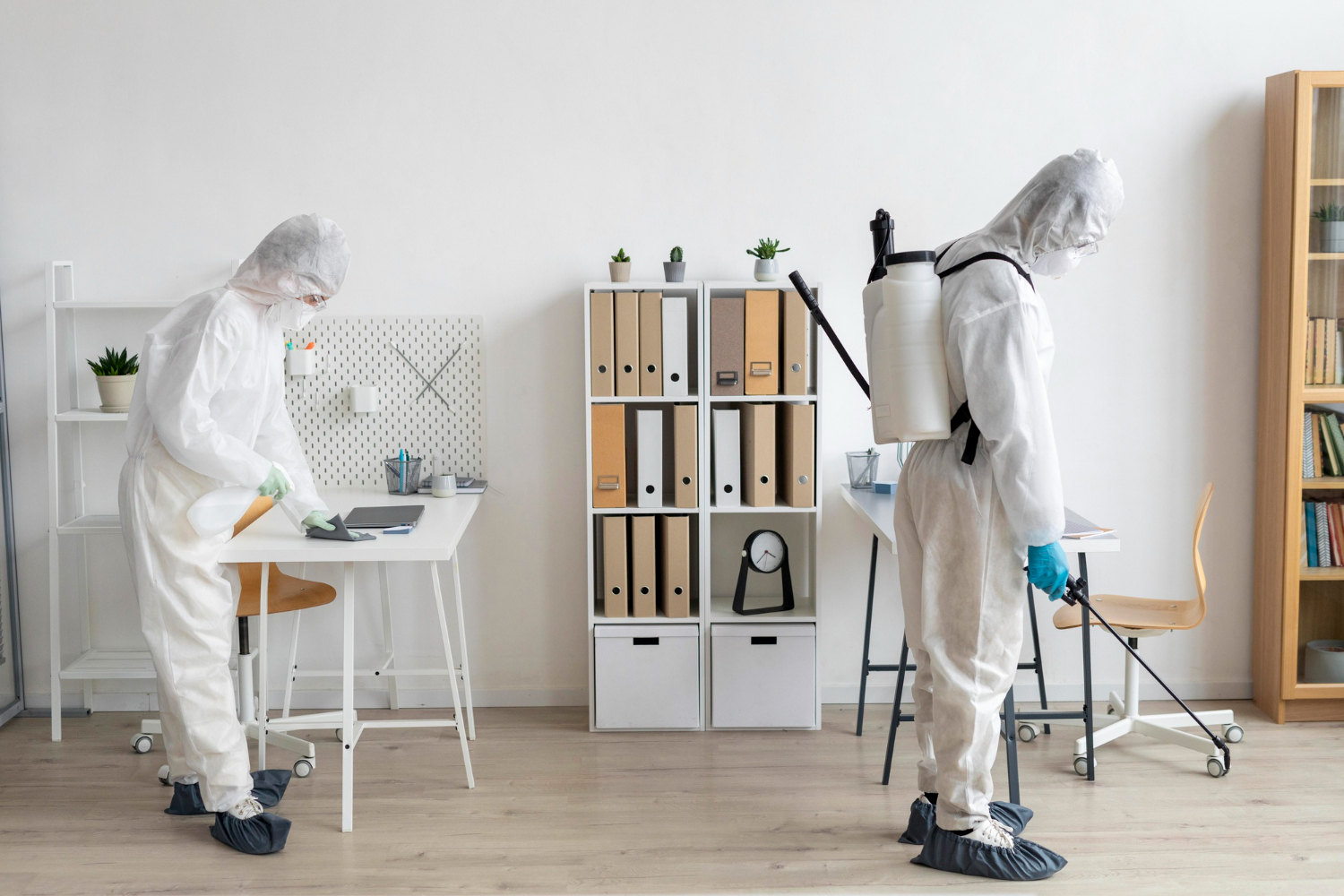
Professionals seal affected areas with controlled barriers. These barriers stop movement of air that carries mold particles. Quiet tools and soft materials help maintain calm conditions. Air pressure systems direct air away from office areas. Workers can continue tasks with little trouble. Teams place signs to guide staff safely. They mark small zones to support easy movement. They adjust limits for each site to match work flow. Clear steps build trust. Fast action keeps problems contained. Teams finish each section before moving to the next. This planned method avoids wide impact across the workspace.
4. Planning Work Schedules Around Office Hours
Flexible scheduling helps office teams operate smoothly. Professionals plan tasks during low activity hours. They choose early mornings or late evenings. Weekend work also reduces delay. This approach supports meetings and normal routines. Calm settings help workers stay focused. Clean professionals discuss schedules with managers before starting. Clear planning builds confidence. It also avoids any sudden interruptions. Staff feel safe when teams respect office flow. This structure improves productivity. Timed steps make the process efficient. It saves effort and protects equipment. A well planned schedule keeps everyone comfortable and reduces pressure on office leaders.
5. Using Quiet And Safe Equipment
Modern tools support clean operations with low noise. These tools help staff continue tasks. Air scrubbers filter the room while staying quiet. Small vacuums remove particles without disturbing meetings. Soft lighting keeps rooms calm. Safe tools remove risk and add comfort. Teams use equipment that reduces vibrations and protects office surfaces. Good tools clean deep without harming furniture. This approach supports steady movement around the site. Staff feel secure with safe devices around them. The process moves faster and leaves rooms clean. Silent tools keep work quality high and avoid noise challenges.
6. Focusing On Air Quality Controls
Clean air is important in any office. Professionals manage flow with special machines. These machines capture particles and keep air fresh. They use filters that hold small spores. Air controls prevent spread into open zones. Fresh air helps staff work with comfort. Controlled vents support strong safety. Teams check readings during treatment to ensure quality stays high. They adjust settings based on room size. Good airflow also controls moisture levels. This reduces future risks. Strong air monitoring builds trust and keeps the office calm. Clean air supports a steady workplace.
7. Step By Step Cleaning Methods
Professionals use a structured approach to treat mold. They study the area and create simple plans. They clean surfaces with safe solutions. They dry damp zones and fix leaks. They check carpets, walls, and work areas. They remove affected items carefully. All steps follow strict rules. This method keeps workers safe. Teams avoid large movement and reduce unwanted spread. Clear stages help everyone understand progress. Staff feel secure with visible order. The step plan keeps the workplace stable. Slow and steady methods create strong results that last long.
8. Importance Of Regular Inspections
Regular inspections keep offices safe. These checks spot early signs of moisture. They reduce larger issues before they grow. Managers feel confident with routine reviews. Teams walk through key areas. They test air and surface conditions. This helps find leaks or weak airflow. Early fixes avoid heavy treatment. Small checks also protect staff health. Inspections help plan maintenance. They support lasting clean spaces. Good checking habits reduce stress and save time. They prevent surprise problems. Offices stay healthy with simple review steps. These checks keep operations smooth throughout the year.
9. Why Hiring Skilled Teams Matters
Skilled teams understand mold behavior. They use strong methods and plan carefully. They protect staff and keep the space stable. Qualified workers follow proper guidelines. They use safe tools and proven strategies. Businesses trust them for reliable results. Skilled teams keep disruption low. They understand office needs and workflows. They adapt plans to fit each layout. Their experience ensures safe treatment. Skilled workers answer questions quickly. They support daily operations with ease. Choosing trained teams gives offices peace of mind. Quality service helps maintain clean air and healthy rooms.
10. Using Safe And Approved Materials
Approved products support safe cleaning. These materials protect staff from irritation. They follow standards that ensure safe use. Safe agents treat surfaces without harsh scents. Teams apply them in controlled amounts. They keep the office calm while they work. Approved solutions remove mold effectively. They protect furniture and electronics. This gives managers confidence in the process. Offices stay safe while treatment continues. The workspace remains active without strong impact. These materials support long term cleanliness. They create healthy rooms that remain stable after treatment. Teams choose each supply with care.
11. Controlling Moisture For Long Term Safety
Moisture control protects the office in the long run. Teams fix leaks and check pipes. They improve airflow in closed rooms. Small changes reduce mold risks. Humidity checks guide future planning. Dry rooms stay clean longer. Simple actions protect carpets and furniture. Staff feel safe in stable conditions. Work continues smoothly with fewer issues. Moisture control also protects stored items. Balanced rooms support staff and productivity. Good moisture steps help maintain long term health. Offices gain strong protection with proper controls. These changes prevent repeated issues across the year.
12. Understanding The Role Of Mold remediation Dubai
Professional services manage mold in structured ways. Mold remediation Dubai teams use strong methods to protect workplaces. They plan each step with care. They use proven tools and safe materials. They reduce risk with clean techniques. They also support ongoing operations with calm actions. Their training helps them treat sensitive areas. Offices trust them for secure handling. These teams finish work with steady progress. They ensure healthy airflow and clean surfaces. Their service gives companies lasting protection. They help reduce future risks and maintain stable work settings.
13. Why Canaryfersa Is A Trusted Service Provider
canaryfersa is known for strong service quality. We support cleaning and maintenance tasks with care. We also offer solutions for logistics and construction needs. Our teams work with skill and attention. Many clients trust us for consistent service. We plan tasks with precision. We protect work environments with safe methods.
Conclusion
Mold issues worry many office managers. They fear disruption and slow workflow. Yet safe methods allow work to continue smoothly. Careful planning supports stable operations. Teams seal small zones and treat them in steps. Staff stay comfortable through clear communication. Air controls and safe tools keep conditions clean. Moisture fixes reduce future risks. Professional services provide strong support. Early action keeps problems small. Skilled teams understand how to maintain movement without major blockages.
FAQs
1. Can mold treatment occur while staff work nearby ?
Yes. Controlled steps keep areas safe and calm.
2. How do teams block mold spread ?
They seal zones and use air controls.
3. Will treatment reduce office comfort ?
Modern tools maintain comfortable settings.
4. How long does treatment take ?
Time depends on area size and damage.
5. Why does early detection matter ?
It prevents wider spread and reduces stress.
6. Do offices need follow up checks ?
Yes. Regular inspections support long term safety.