
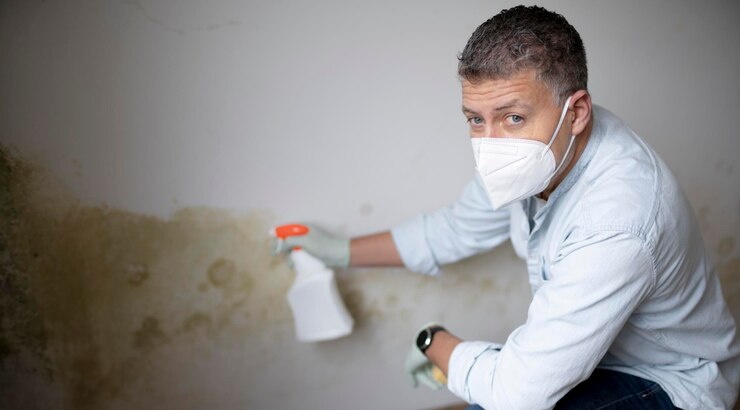
Hidden mold in property is a concern to many property owners. Mold is a fast-spreading organism that grows in wet conditions. It negatively affects the indoor air quality and raises numerous health concerns. Early warning prevents structural damage to your property. You need to know the initial symptoms to prevent long-term risks. Knowing such warnings makes you take action in advance before the issue escalates. You can notice odors, spots, and moisture. Mold can hide behind walls and ceilings, so inspection is important. Some indicators manifest gradually and require management. Professional assistance or Mold Remediation Services is essential if you notice any undergrowth. This guide will help you learn how to identify mold early and prevent damage to your building.
Spots on Walls and Ceilings
Visible spots usually indicate mold growth in a building’s interior. These spots are various colors, including green, brown, and black. Their patterns vary in shape with time. These spots can be observed near windows or in corners. Surface growth is induced rapidly by moisture. These spots spread in high-humidity conditions. Old stains are rough, and fresh stains are smooth. Sudden discoloration cannot be disregarded. Early examination helps avoid additional harm. A timely response makes the problem manageable. The presence of visible mold is a clear indication of deeper moisture issues that require attention.
Musty Odor in Certain Areas
A strong, musty smell is usually an indicator of mold. This smell is observed in enclosed spaces or in humid places. It is enhanced by increased humidity in a room. You can find it around the bathrooms or basements. The odor becomes even worse after prolonged periods of no ventilation. Mold produces substances that produce this smell. This smell is usually present before visual growth. Even after cleaning a portion of the surface, the odor persists. Check the walls around you for moisture. The chronic musty smell requires professional evaluation. Early intervention helps prevent severe structural problems.
Health Symptoms of Occupants
You can be warned of mold problems by health symptoms. Individuals can cough, sneeze, or have tears in the eyes. Occupants experience chest tightness or sinus pressure. In particular rooms, these symptoms are aggravated. Delicate persons respond more intensely. When they leave the building, their symptoms may improve. This trend indicates environmental precipitants. Mold spores are rapidly dispersed. Mold growth lowers indoor air quality. These responses cannot be disregarded. It is important to consult a doctor when symptoms persist. Health protection requires building inspection.
Water Leaks or Moisture Spots
Leaks of water provide an environment that promotes development of molds. The leaks can be either through pipes, roofs or windows. Spots of moisture develop gradually and extend. These spots weaken paint and drywall. Damp surfaces remain cool and are prone to fungus. Mold forms within forty-eight hours of moisture exposure. You must fix leaks quickly. Wet carpets and furniture increase risks. Professional repair prevents structural damage. Monitoring humidity levels helps maintain dry areas. Moisture control stops future occurrences. Early repair saves long-term cost.
Condensation on Windows and Surfaces
Condensation is observed when there is excess moisture in the indoor air. It accumulates on windows, mirrors and tiles. This dampness facilitates the growth of molds in the surrounding. Poor ventilation is usually indicated by condensation. There is an increase in risk in bathrooms and kitchens. Constant condensation ensures wet surfaces are long lasting. These wet surfaces grow mold along the edges. You should check the surrounding walls carefully. Using proper ventilation reduces moisture. Regular airflow improves room conditions. Addressing condensation helps prevent mold formation.
Peeling Paint or Bubbling Surfaces
Peeling paint suggests hidden moisture ehind the walls. Bubbling surfaces show trapped water inside building materials. These changes appear slowly but become worse over time. Moisture weakens the bond between the paint and the wall. Mold grows underneath these damaged layers. You may notice soft spots on the wall. Paint may come off in large patches. Bubbling surfaces often feel damp. These signs must be checked immediately. Inspecting behind the wall reveals the actual condition. Repairing the moisture source prevents further deterioration.
Warped Walls or Floorboards
Warped surfaces signal serious moisture issues. Walls bend when they absorb water. Floorboards lift or separate from their base. These changes indicate long-term dampness. Mold grows beneath warped areas. Moisture weakens the building structure. You must act quickly to avoid higher repair costs. Warping usually starts near bathrooms or kitchens. Regular inspection helps detect early changes. These signs show water intrusion that needs professional repair. Unattended warping creates bigger problems.
Dark Grout Lines in Bathrooms
Dark grout lines suggest mold growth the most. Bathrooms stay moist due to steam and water exposure. Mold grows in grout gaps because they stay damp. Regular cleaning may not remove deep growth. You may see black or brown discoloration. The stains return quickly after cleaning. This means moisture stays trapped under tiles. Ventilation reduces moisture and slows growth. You should inspect the tiles and corners nearby. Persistent discoloration means hidden mold inside the walls.
When to Seek Professional Inspection
You should call professionals when the signs become clear. They use tools to detect hidden mold. They inspect walls, ceilings, and flooring. Their experience helps identify deep growth. They also check moisture levels inside materials. Professional inspection gives accurate results. It prevents small issues from becoming larger problems. They provide detailed reports for further action. This guidance supports safe remediation. Always act early to avoid heavy damage.
Benefits of Hiring Mold Specialists
Mold specialists understand proper removal methods. They use safe procedures to clean affected areas. They handle tools that detect deep contamination. Their work stops mold from spreading. They follow safety standards for every project. Specialists protect your building from further damage. They advise you on prevention steps. Their inspection helps restore healthy indoor air. They complete tasks faster than most homeowners. Hiring experts ensures long-term safety.
Role of Professional Mold Remediation
Professional remediation removes mold safely and thoroughly. Experts secure contaminated areas first. They clean surfaces with approved products. They remove damaged materials if needed. They protect your property during the process. Their work improves indoor air quality. Remediation also prevents future growth. Experts guide you on maintenance steps. Their method ensures complete removal. Many property owners trust companies offering mold remediation services for reliable results.
Conclusion
Mold may damage your structure and health when not taken care of. Early warning will make you do something before things get out of control. Problems with moisture provide excellent environments to support quick development of molds. Regular inspection protects your property from permanent damage. Professional help becomes necessary when signs continue. Experts identify hidden problems that homeowners may overlook. Safe remediation restores clean and healthy indoor conditions. Many property owners choose reliable service providers for long-term support. One trusted name is CanaryFersa, known for dependable solutions in many service sectors. Our commitment to quality inspires confidence and long-term satisfaction.
What is the role of moisture in the growth of molds?
The presence of moisture provides an ideal condition in which mold propagates.
Should I clean the mold myself
Small spots can be cleaned, but deep growth needs professionals.
How often should I inspect my building for mold
You should inspect every few months or after water incidents.
Will ventilation inhibit the growth of molds?
Ventilation reduces moisture and helps in slowing down the mold.